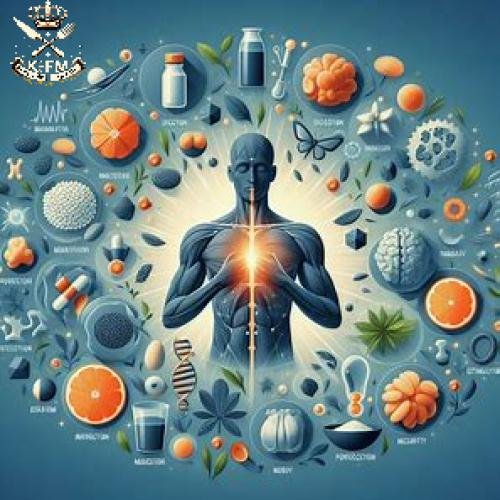
Mint is one of the most popular herbs around the world, thanks to its refreshing flavor and pleasant aroma, as well as its numerous health benefits. From soothing the digestive system to relieving headaches, mint has amazing healing properties that promote overall body health. Mint contains many beneficial vitamins and minerals, such as vitamins "A" and "C," along with some antioxidant compounds that support digestive health and strengthen the immune system. However, to maximize these benefits, it's important to keep the mint fresh for as long as possible. In this article, we will review the best ways to keep mint leaves fresh, whether in the fridge or freezer, so you can enjoy its flavor and health benefits for a longer period.
Detailed Method for Storing Mint:
Storage in the Fridge:
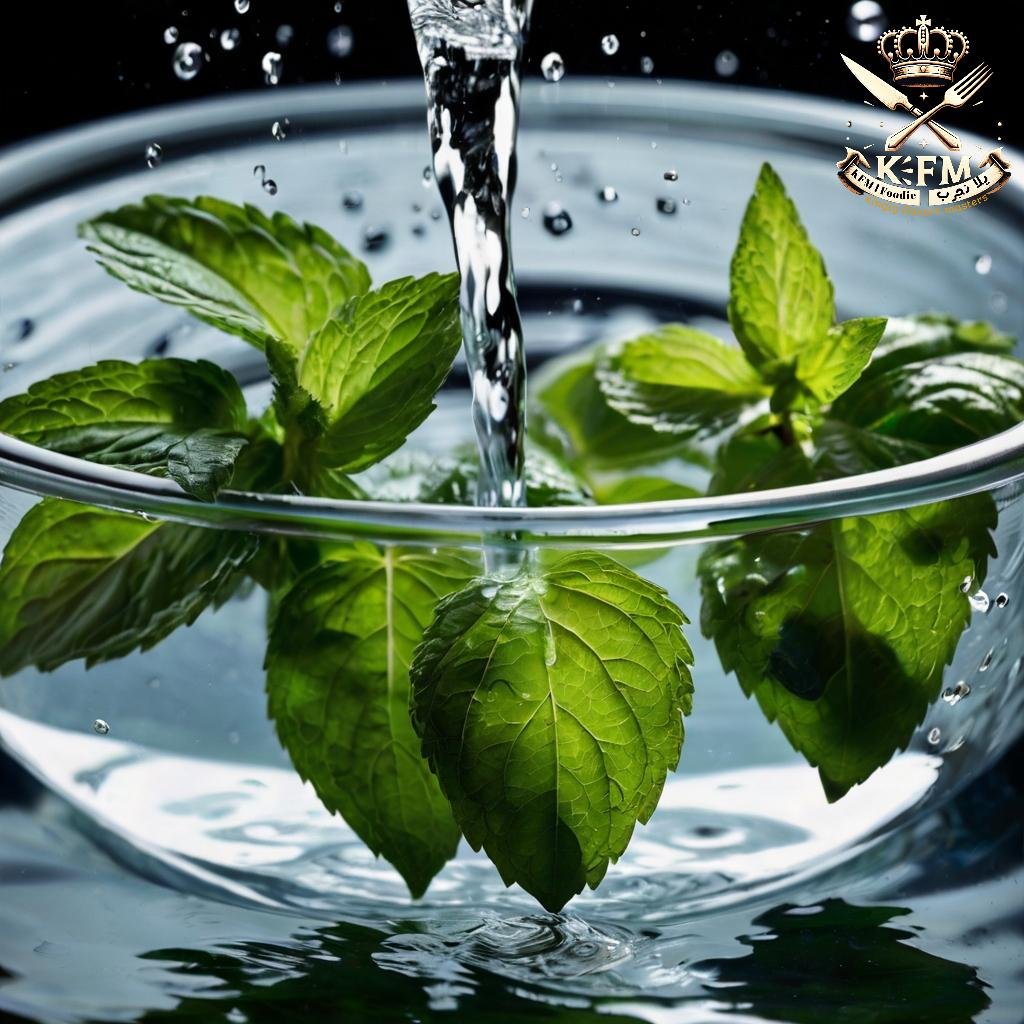
Step 1: Gently wash the mint leaves under cold water to remove any dirt or insects.
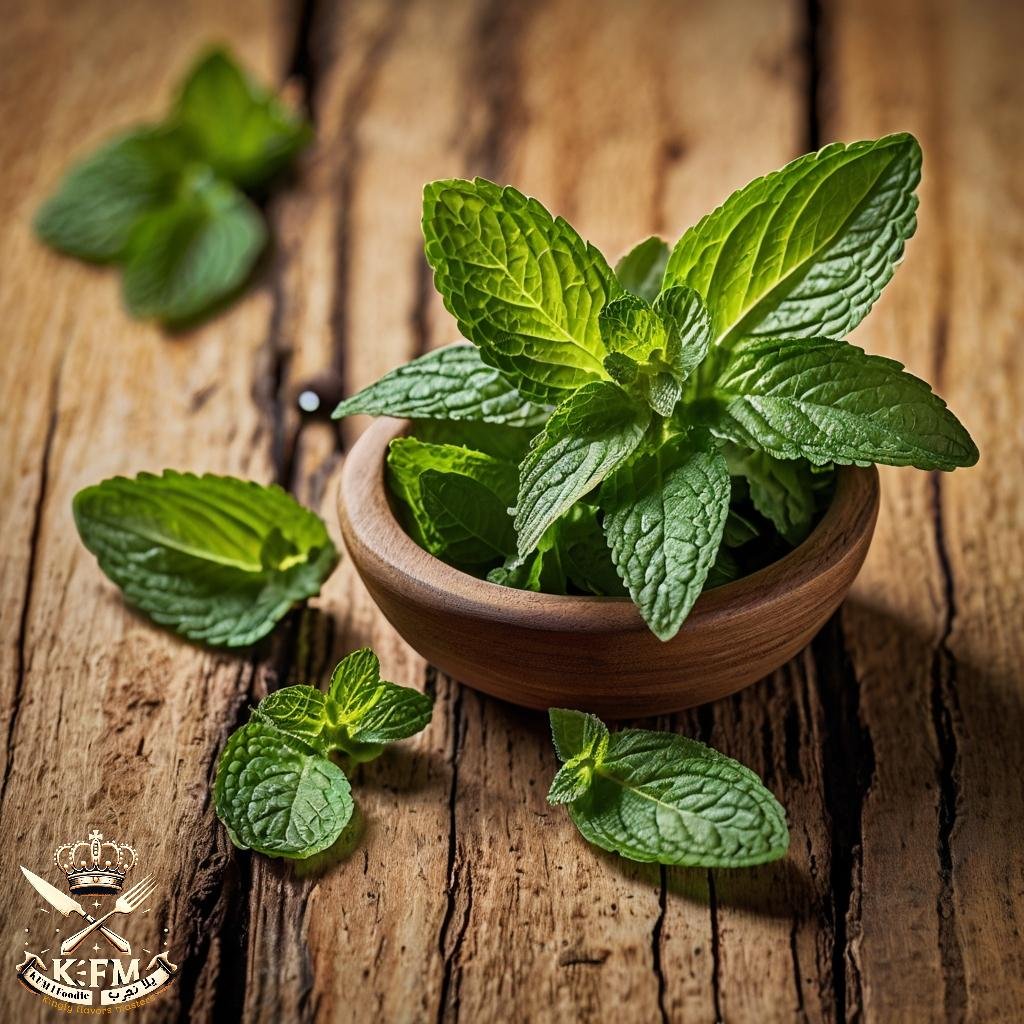
Step 2: Dry the leaves using paper towels or a clean cloth towel.
Step 3: Place the mint in a plastic bag or an airtight container with a piece of paper towel to absorb excess moisture.
Step 4: Store the mint in the vegetable drawer of the fridge. Mint can stay fresh in the fridge for up to a week.
Freezing in the Freezer: Step 1: Wash and dry the mint leaves as described above.
Step 2: Remove the leaves from the stems and place them in a freezer bag or an airtight freezing container.
Step 3: You can also place the leaves in an ice cube tray, then cover them with water and freeze them to make mint ice cubes. Once frozen, transfer the cubes to a freezer bag.
Step 4: Mint can stay in the freezer for several months while retaining its flavor.
Health Benefits
- Digestive Support: Mint helps soothe the digestive system, relieving gas and bloating, which aids in improving digestion.
- Antioxidant Properties: Mint contains antioxidant compounds that fight free radicals and protect the body from diseases.
- Immune Boosting: Thanks to its vitamin "C" content, mint strengthens the immune system and helps resist illnesses.
- Headache Relief: Mint can help alleviate migraine symptoms when applied topically to the forehead or inhaled.
- Breathing Improvement: Mint improves breathing and relieves nasal congestion, making it useful during colds and flu.
- Relaxation and Sleep Improvement: Mint has calming properties that aid in relaxation and improve sleep quality.
These benefits make mint a great addition to your overall health.
Cosmetic Benefits of Mint:
For the Skin:
Mint has antibacterial and anti-inflammatory properties, which help cleanse oily skin and reduce acne. It can be used in face masks aimed at treating irritated skin.
For Hair Purposes:
Mint oil promotes blood circulation in the scalp, which may help stimulate hair growth and strengthen it. Massaging the scalp with mint oil mixed with coconut oil can improve hair health and reduce hair loss.
Frequently Asked Questions:
1. Can dried mint leaves be used as effectively as fresh mint?
Yes, dried mint leaves can be used, but their flavor may be less intense compared to fresh mint. Mint leaves are dried using heat or air to reduce moisture content, preserving their essential properties like essential oils. However, if you're looking for a stronger taste, it is better to use fresh mint. Dried mint can be used in tea or added to foods in the same way as fresh mint, but the benefits may be slightly less.
2. Can mint be consumed during pregnancy or breastfeeding?
When consumed in moderation, mint is generally safe during pregnancy and breastfeeding. However, it is advisable to consult a doctor before consuming large amounts or using peppermint oil during these periods, as it may interact with medications or certain health conditions. It is also recommended to avoid excessive consumption, especially in the early stages of pregnancy.
3. Are there any potential side effects of using mint?
Despite its many health benefits, mint can cause some side effects in certain cases, such as:
Heartburn: Mint may increase heartburn in some individuals, particularly those with gastroesophageal reflux disease (GERD).
Skin Sensitivity: Peppermint oil can sometimes cause irritation or sensitivity when applied topically.
Drug Interactions: Individuals taking certain medications, such as blood pressure or diabetes medications, should consult a doctor before using mint.
4. What is the ideal amount of mint to consume daily to benefit from its advantages?
The ideal amount of mint depends on how it is used. You can drink 1 to 2 cups of mint tea daily to benefit from its calming properties for the digestive system. If using mint in food or cosmetics, moderate use is sufficient. It's important not to exceed large amounts to avoid any unwanted side effects.
5. Can people with certain medical conditions (like stomach ulcers) consume mint?
People with stomach ulcers or GERD may experience improvement with moderate mint consumption, but some may experience worsening symptoms such as heartburn or pain. It is advisable to consult a doctor to determine whether mint should be consumed in these cases, based on the nature and severity of the condition.
Mint Recipes:
- Mint Mask for Oily Skin
Description: The mint mask helps cleanse oily skin and reduce excess oil production.
Ingredients: Fresh mint leaves, natural honey, and lemon juice.
Benefits and Vitamins:
Mint enhances skin health with its antibacterial and anti-inflammatory properties.
Vitamin "C" in lemon helps brighten the skin and remove impurities.
Honey helps hydrate and soothe the skin. - Mint Tea for Soothing the Stomach
Description: Mint tea is an ideal choice for relieving stomach pain and indigestion.
Ingredients: Fresh or dried mint leaves, boiled water.
Benefits and Vitamins:
Mint enhances digestion and absorbs gas with its soothing properties for the stomach.
Mint contains vitamin "A," which supports digestive health.
It helps improve breathing and reduces nausea. - Peppermint Oil for the Scalp
Description: Peppermint oil is used to stimulate blood circulation in the scalp and promote hair growth.
Ingredients: Peppermint essential oil, coconut oil.
Benefits and Vitamins:
Peppermint oil contains compounds that activate hair follicles and strengthen their roots.
Rich in vitamin "A," which maintains hair health and prevents hair loss.
Coconut oil nourishes hair and improves its elasticity.