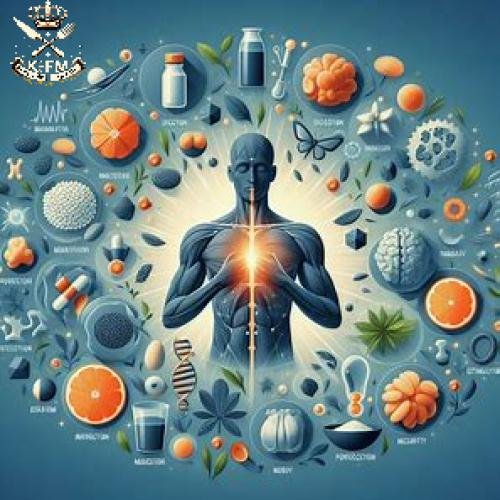
Health and psychological issues have become significant concerns that greatly impact an individual's quality of life. These issues are caused by a combination of complex factors such as genetics, lifestyle, and the surrounding environment. Many people suffer from the effects of constant stress due to work and personal relationships, leading to the exacerbation of mental health problems like depression and anxiety. Moreover, an unbalanced diet and lack of physical activity contribute to the worsening of these issues. Health experts agree on the need to reassess our dietary habits and return to consuming natural foods that meet our bodies' essential nutritional needs. Therefore, it is crucial to take thoughtful steps to improve our physical and mental health by achieving a balance between rest and work, engaging in physical activities, and adopting healthy eating habits.Whole wheat, including its husk, bran, germ, and endosperm, not just the endosperm (starches), plays a crucial role in our nutrition. Studies and scientific research indicate that consuming excessive amounts of foods containing white sugar and white flour, as well as overconsuming salt, animal fats, carbonated drinks, and processed foods, may be a major cause of many health and psychological problems faced by people in this era.
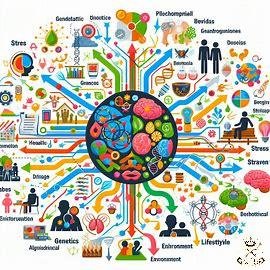
Therefore, returning to natural products (live foods) is the foundation of proper nutrition, which significantly impacts both our physical and mental health. Based on this, we must be cautious and avoid consuming unnatural and processed foods for prolonged periods, as they pose a danger to nature and threaten human life.
The Importance of Whole Foods and How to Incorporate Them into the Diet
Whole foods, such as whole wheat bread, oats, and flaxseeds, are rich sources of fiber, vitamins, and minerals that contribute to improving both physical and mental health. For example:
Whole wheat bread: Contains fiber that helps improve digestion and balance blood sugar levels, contributing to mood stabilization.
Oats: A good source of protein and fiber that provides sustainable energy and helps reduce hunger for longer periods.
Flaxseeds: Rich in omega-3 fatty acids, which help improve brain health and mood.
How to Incorporate into Daily Diet:
Replace white bread with whole wheat bread in daily meals.
Add oats to breakfast with fruits and nuts.
Add flaxseeds to smoothies or yogurt.
Expanding the Role of Exercise in Improving Mental and Physical Health
Meditation exercises: Help reduce stress and anxiety levels and contribute to improved focus.
Yoga: A practice that combines movement and deep breathing, helping to improve mental balance and physical flexibility.
Daily walking: One of the easiest physical activities that can enhance heart and brain health and improve sleep quality.
Frequently Asked Questions
What are the effects of sugar and white flour on energy levels and mood?
Consuming sugar and white flour leads to sharp fluctuations in energy and mood. After the sudden spike in sugar levels, a sudden drop follows, causing feelings of fatigue and stress.
How can I reduce my intake of white sugar and white flour?
Answer: You can replace white sugar with fresh fruits or natural sweeteners such as honey or maple syrup. Additionally, replace white bread with whole wheat or whole grain bread.
What foods can improve my mental health?
Answer: Foods rich in omega-3, such as fatty fish (salmon, tuna) and nuts (walnuts, almonds), as well as fruits and vegetables containing antioxidants (such as berries, spinach), contribute to improving mental health.
How does lifestyle and diet affect anxiety and depression levels?
Answer: Processed and manufactured foods lead to fluctuations in blood sugar levels, causing mood swings and increased anxiety. In contrast, natural foods and those containing omega-3s and antioxidants can help reduce these symptoms.
What is the ideal diet for improving mental health?
Answer: The ideal diet includes foods rich in proteins, fiber, and healthy fats such as fish, nuts, whole grains, fruits, and vegetables. Processed foods and sugars should be minimized.
Can dietary lifestyle help prevent mental health disorders?
Answer: Yes, proper nutrition strengthens the nervous system and improves hormonal balance, reducing the chances of developing mental disorders such as depression and anxiety.
How can I improve sleep quality?
Maintain a regular sleep routine.
Avoid caffeine or heavy foods before bedtime.
Create a comfortable sleep environment, such as reducing light and noise.
How can exercise affect mental and physical health?
Exercise helps release happiness hormones like endorphins, reducing feelings of anxiety and depression. It also improves circulation and increases overall energy.