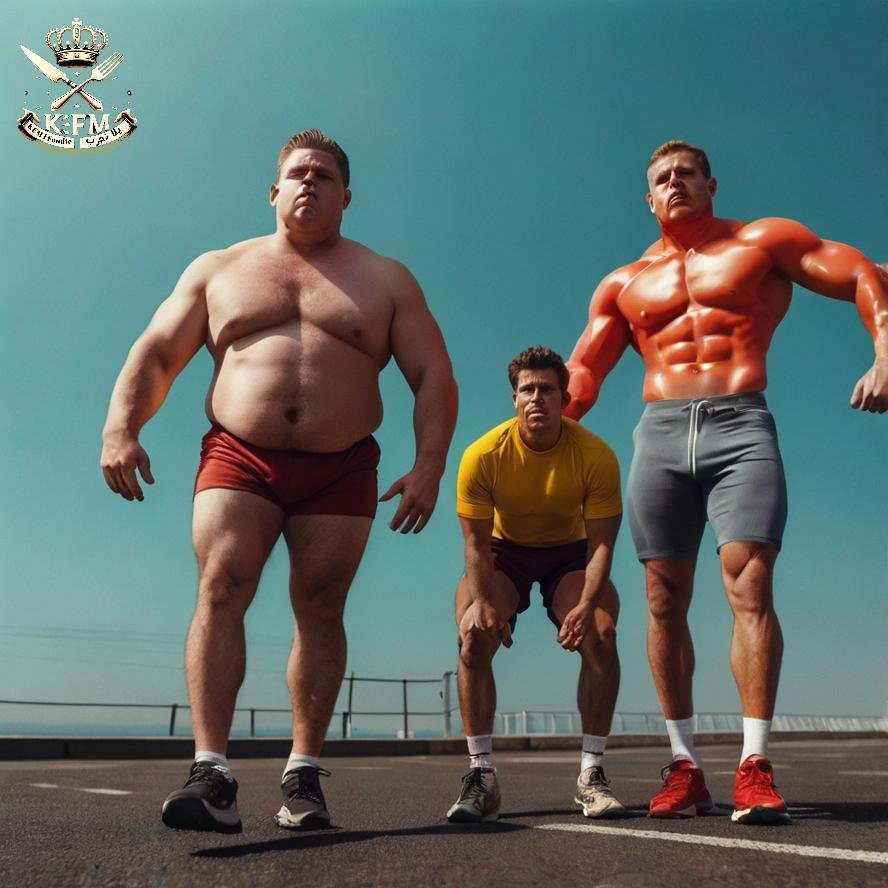
Understanding Physiological Changes
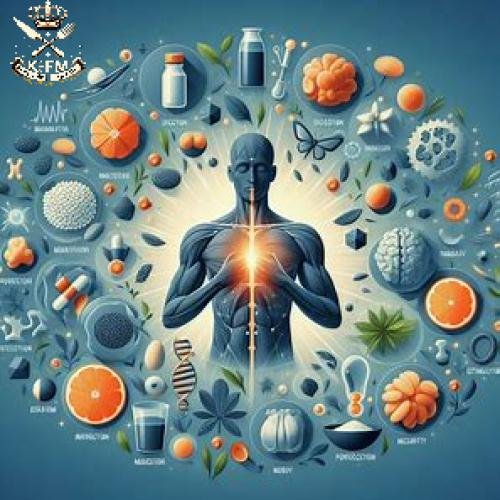
When a person stops exercising, muscle size shrinks due to a lack of physical activity. However, it is important to know that muscles do not directly turn into fat. Muscles and fat are two different types of tissue, and one cannot be directly converted into the other.
The Relationship Between Stopping Exercise and Diet
When you stop exercising, the body is affected in several ways. A person may lose some muscle mass due to not using it regularly. At the same time, individuals may turn to unhealthy foods or excess calories, leading to an increase in body fat.
The Importance of Diet in Maintaining Muscle Mass
Nutrition plays a crucial role in maintaining muscle mass and preventing fat gain. When stopping exercise, it is essential to have a balanced diet that includes key nutrients to maintain muscle health and avoid fat accumulation. Here are some beneficial foods that can help in this regard:
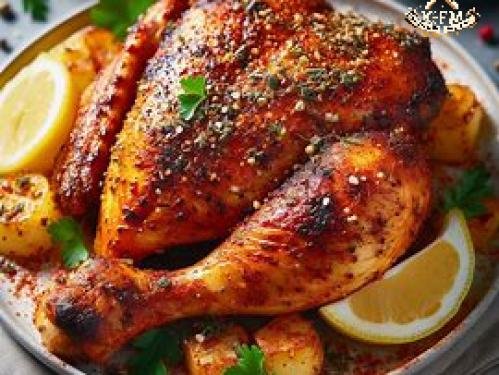
- Proteins: Proteins are essential for building and repairing muscles. Sources of protein include lean meats (such as chicken and turkey breasts), fish (such as salmon and tuna), legumes (such as lentils and beans), and eggs. Consuming an adequate amount of protein can help maintain muscle mass even after stopping exercise.
- Complex Carbohydrates: Carbohydrates are a primary source of energy. Choose complex carbohydrates such as oats, brown rice, sweet potatoes, and vegetables. These types of carbohydrates provide long-lasting energy without causing sudden spikes in blood sugar levels.
- Healthy Fats: Not all fats are harmful. Healthy fats play a role in supporting overall health. Eating healthy fats such as avocado, nuts (like almonds and walnuts), and olive oil can help maintain heart health and support metabolism.
- Vegetables and Fruits: Vegetables and fruits are packed with vitamins, minerals, and fiber that promote overall health and help maintain a healthy weight. Avoid foods high in sugar and saturated fats, and replace them with vegetables like spinach and broccoli, and fruits such as berries and apples.
- Fluids: Maintaining good hydration is crucial. Water is the best choice, but you can also consume green tea or unsweetened beverages to help maintain proper fluid levels in the body.
Additional Tips for Maintaining Muscle Mass When Stopping Exercise
- Control Portion Sizes: Even if you stop exercising, it's important to monitor portion sizes to avoid consuming excess calories.
- Eat Smaller, Frequent Meals: Instead of having three large meals, try eating five to six smaller meals throughout the day to ensure a steady flow of energy and protein to the body.
- Engage in Light Physical Activity: Even if you stop heavy exercise, activities such as walking or stretching can help maintain some level of physical activity.
Conclusion: Muscles do not turn into fat when you stop exercising. Instead, muscle mass decreases and fat increases due to changes in diet. By maintaining a balanced diet that includes proteins, complex carbohydrates, healthy fats, and vegetables and fruits, you can preserve muscle mass and reduce fat gain. Remember, proper nutrition plays a key role in overall health and fitness, even when physical activity levels change.
Additional Tips:
- Resistance Training: Even if you plan to reduce exercise, light resistance training can help preserve muscle mass and strength.
- Professional Consultation: If you have any health issues or questions about nutrition and exercise, it's a good idea to consult with a nutritionist or personal trainer.