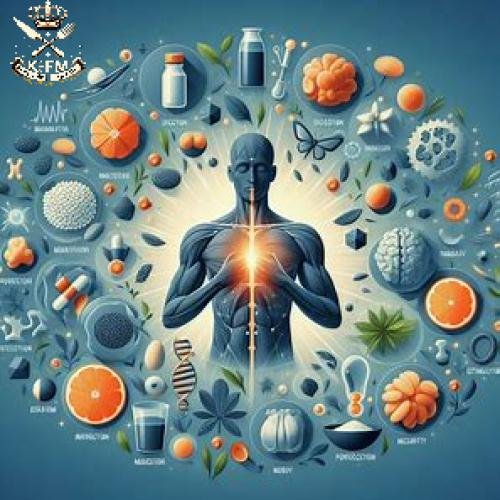
Apricots are one of the most delicious and nutritious fruits, rich in essential vitamins and minerals such as vitamin A, vitamin C, potassium, beta-carotene, and vitamin C, along with a variety of powerful antioxidants. These nutrients work together to strengthen the immune system, protect cells from damage, improve eye and skin health, fight free radicals, and prevent chronic diseases. The dietary fiber found in apricots also promotes digestive health and helps in maintaining a feeling of fullness.
Boosting Immunity and Overall Health: Apricot fruit has significant effects on human health, as scientific research shows that it contributes to boosting the body’s immunity and improving immune system function. It also contains significant amounts of vitamin A, which contributes to eye health and strengthening vision, while vitamin C boosts the immune system and protects the body from diseases.

Its Role in Digestive System Regulation:
Thanks to its content of natural fibers such as pectin, consuming apricots enhances digestion and helps regulate the intestines. These fibers are also effective in reducing colon issues and promoting overall digestive health.
Apricot Benefits for the Cardiovascular System:
Due to its potassium content, which plays an essential role in regulating heartbeats and lowering blood pressure, apricots are an excellent choice for boosting cardiovascular health.
Apricot Benefits for Bones:
Rich in calcium and potassium, apricots play an important role in building strong and healthy bones.
Psychological Benefits of Apricot:
Apricots contain compounds that help improve mood and reduce stress levels. According to some studies, foods rich in fiber and vitamins, such as apricots, can contribute to boosting the release of "happy" chemicals in the brain, like serotonin. These substances help lower anxiety levels and improve overall mood. Eating apricots may help improve mental health and reduce symptoms of depression.
Benefits for Children and Seniors:
Apricots are an excellent choice for growing children because they contain vitamin A, which promotes healthy eyes and proper growth. They are also a good source of potassium and calcium, which help strengthen bones and teeth. For seniors, apricots are beneficial in maintaining digestive health and bone strength, as they help regulate bowel movement and support bone health due to their calcium content.
Benefits of Dried Apricots:
Dried apricots retain much of their nutritional value and are a rich source of iron and fiber. They can be eaten as a snack or added to cereals or salads. Compared to fresh apricots, dried apricots have a higher concentration of nutrients, making them an excellent choice for those looking to increase the levels of vitamins and minerals in their diet.
Positive Effects on Skin and Hair:
The benefits of apricots are not limited to internal health only. Using apricot oil promotes skin health by naturally moisturizing and nourishing it, and it is also considered one of the best oils for hair care.
Apricot Storage Methods:
To keep apricots fresh for as long as possible, it is best to store them in a cool, dry place. They can be refrigerated for a short period to maintain their freshness. Dried apricots should be stored in a dry place, away from moisture, to ensure they remain fresh for an extended time. It is important to make sure that dried apricots do not contain additives like added sugar or preservatives.

Its Multiple Uses in Cooking and Desserts:
Apricots can be used in various forms in the kitchen, whether as a flavor for desserts like jams and cakes, or as part of salads and healthy snacks. They can also be turned into a refreshing juice that provides relief on hot summer days.
Frequently Asked Questions
Is apricot beneficial for diabetic patients?
Yes, apricots can be consumed in moderation as part of a diabetic diet. They contain fiber that helps regulate blood sugar levels. Additionally, apricots have no added sugar and can be included in a balanced diet.
Does apricot help with weight loss?
Yes, apricots assist in weight loss. Due to their fiber content, apricots help regulate appetite and keep you feeling full for longer periods. They are also low in calories, making them an ideal choice for those looking to control their weight.
How can apricot be prepared to maximize its benefits?
The best way to benefit from apricots is to eat them fresh. However, they can also be turned into natural juice or added to salads and desserts. If preparing as juice, it is better to prepare it without added sugar to maintain its nutritional value.
Can apricot be used to treat skin problems?
Yes, apricot oil is used in many skincare products. This oil helps hydrate and nourish the skin naturally. It is also believed to help reduce acne scars and is used in some anti-aging creams.
Does apricot affect cholesterol levels?
Apricot can help improve cholesterol levels due to its fiber and antioxidant content. Fiber helps reduce levels of harmful cholesterol, contributing to better heart and vascular health.
Conclusion:
Given all these health and nutritional benefits, apricot consumption should be a part of your daily diet, especially during the summer when they are at their best. Enjoy apricots and take advantage of their many benefits for your health and overall well-being.